“Get big or get out.” – How Government Failed Farmers
- By Famco Opnc October 24, 2025
- 387
- No Comments
Discover how Earl Butz’s “Get Big or Get Out” policy reshaped American farming — driving small farms out, fueling corporate control, and what we can do to restore local agriculture.
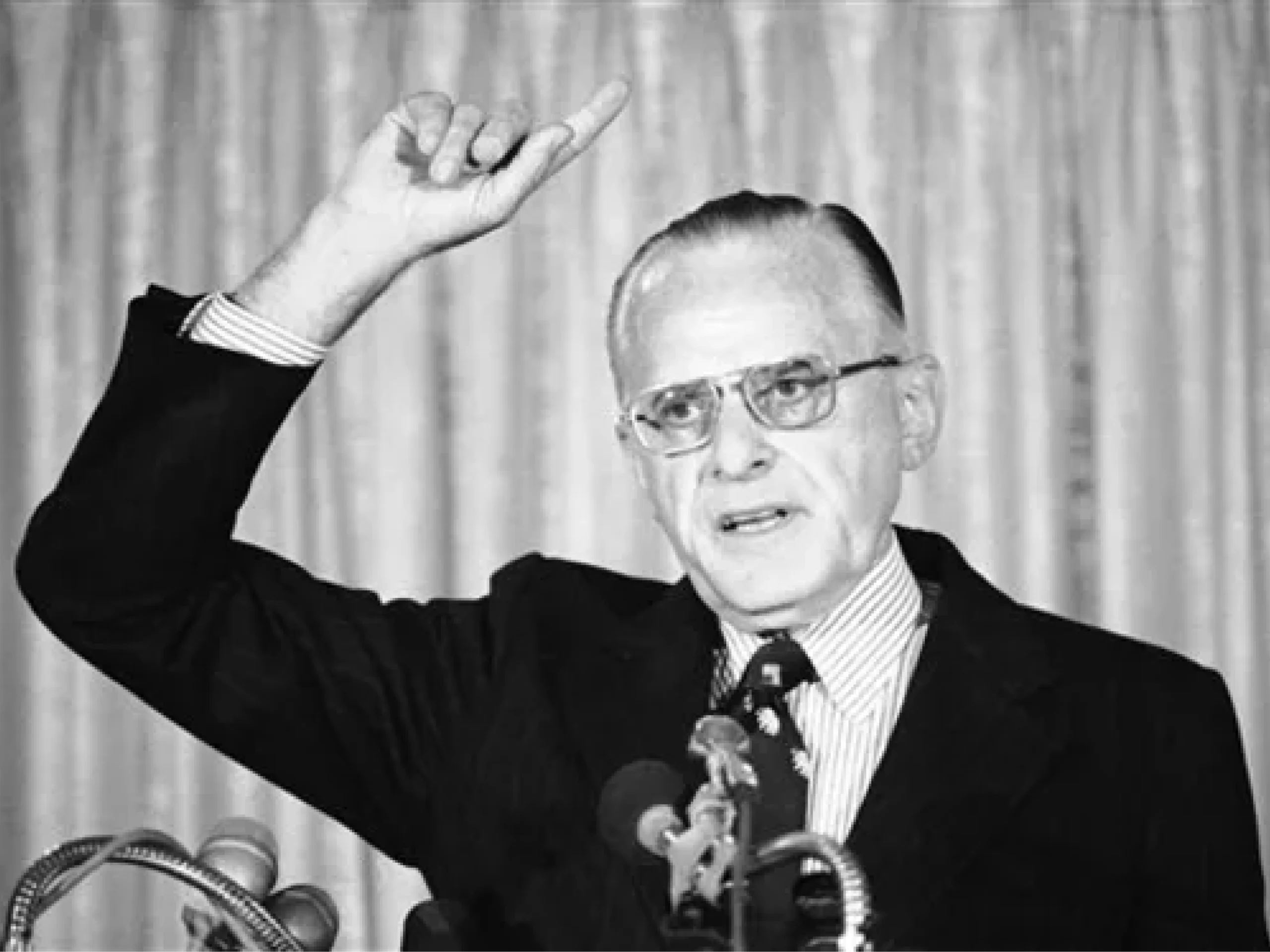
In the early 1970s, a seismic shift forever changed American agriculture. When Earl Butz, the U.S. Secretary of Agriculture, declared his now-famous slogan — “Get Big or Get Out” — it wasn’t just advice, it was an ultimatum. Farmers were told to expand, mechanize, and produce more — or risk being left behind.
What followed reshaped rural America. Small, family-run farms that once formed the backbone of communities began to disappear, replaced by massive industrial operations backed by government policy and corporate influence.
The Rise of Industrial Farming
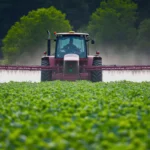
Earl Butz’s leadership transformed the U.S. Farm Bill into a tool for industrial growth. Farmers were encouraged to plant “fencerow to fencerow,” focusing on maximum yield rather than soil health or diversity.
Instead of cooperation, Butz pushed competition. The result? Many small farms were crushed under the weight of rising land prices, machinery costs, and market volatility, while large agribusinesses thrived.
From Diversity to Monoculture
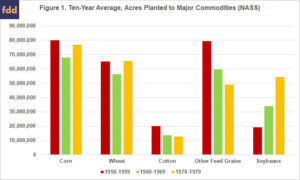
Before the 1970s, American farms were beautifully diverse — planting corn, wheat, cotton, feed grains, and soybeans. But under new policies, subsidies focused on a few cash crops, especially corn and soybeans.
This shift led to monoculture farming, soil depletion, and dependency on global commodity markets. Diversity gave way to uniformity, and self-sufficient communities became vulnerable to price swings and corporate control.
The Decline of Family Farms
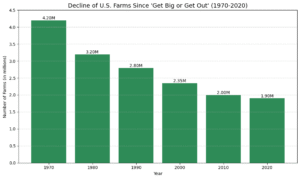
Since the 1970s, the number of American farms has fallen dramatically — from over 4 million in 1970 to under 2 million in 2020.
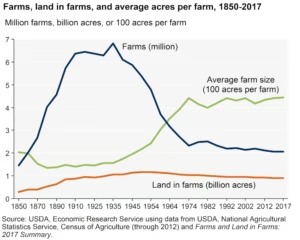
While the number of farms dropped, the average farm size continued to grow. Consolidation meant fewer families owned more land, and rural towns began to fade. Foreclosures rose, farmer suicide rates climbed, and the sense of independence that once defined farm life began to disappear.
Big Farms Got Bigger
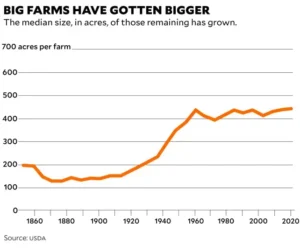
According to USDA data, the median farm size has doubled since the early 1900s. Large farms now dominate the market, controlling everything from seed production to food distribution.
This corporate consolidation has left family farmers fighting for fair prices while consumers face higher grocery bills. A handful of powerful companies now influence nearly every part of our food chain — from what’s planted in the soil to what ends up on your plate.
The Farm Bill and the “Get Big” Economy
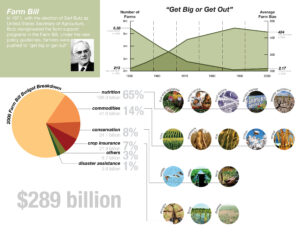
The Farm Bill, once meant to stabilize farm income, became a machine that reinforced industrial agriculture. Billions in federal support flowed to large-scale producers of commodities, while small farms, conservation programs, and local food systems were left underfunded.
The 1970s “Get Big or Get Out” mentality was built into policy — rewarding scale, not stewardship. The more acres you had, the more support you got.
The Way Forward: Reviving Local Agriculture
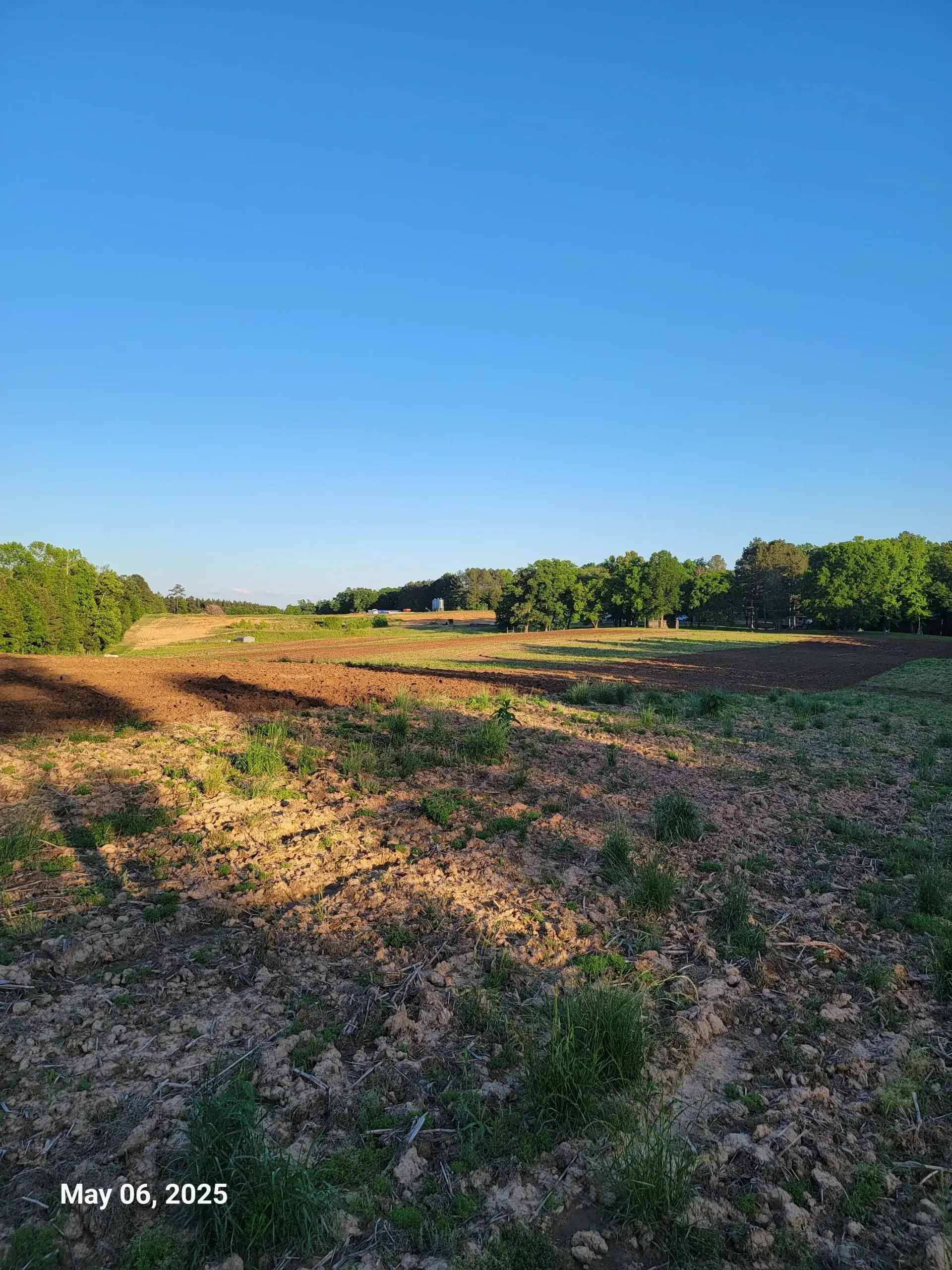
Despite decades of consolidation, a new generation of farmers is planting seeds of hope. Across the country, small-scale farmers are reviving the family farm model — typically 50 to 150 acres — and focusing on sustainability, crop diversity, and local food markets.
These farms are proving that you can blend modern technology with traditional values, protecting both the environment and rural livelihoods.
Why Small Farms Matter
Rebuilding small farms isn’t just nostalgic — it’s essential for food security, soil health, and economic justice.
When family farms thrive:
✅ Communities grow stronger
✅ Ecosystems heal
✅ Food becomes healthier and more affordable
Supporting small, sustainable agriculture is about taking back control — from corporate monopolies to the hands of the people who actually feed us.
Join the Movement
At Farmco-opnc, we stand for farmers first.
Our mission is to rebuild a fair, resilient food system that puts people before profit.
Join us in supporting local farmers, promoting sustainability, and restoring balance to American agriculture.
Together, we can move beyond “Get Big or Get Out” — and build a future where every acre counts.



Leave a Reply