The Dark History of Pesticides and Herbicides in Modern Farming
- By Famco Opnc November 12, 2025
- 146
- No Comments
Ah, the tangled tale of Monsanto — a story that could easily be a blockbuster if it weren’t so deeply rooted in profit and poison!
Picture this: during the Vietnam War, the U.S. government enlisted Monsanto to produce Agent Orange, a highly toxic herbicide used to strip away jungle cover and expose enemy troops. The result was devastating — millions were exposed to dioxin, leading to birth defects, cancer, and long-term ecological damage.
From the Battlefield to the Farmland
Fast forward a few decades, and Monsanto shifted its focus from chemical warfare to agriculture. The company introduced Roundup, a glyphosate-based herbicide designed to work hand-in-hand with its patented genetically modified seeds. These “Roundup Ready” seeds could survive heavy doses of the same herbicide, creating a convenient — and highly profitable — farming system.
By the early 2010s, over 80% of U.S. farmland was planted with Monsanto’s genetically engineered crops. The military contracts were gone, but the chemistry — and the control — remained. Even after Bayer purchased Monsanto, the push for dominance and dependence on pesticides continued.
The Hidden Costs of Chemical Farming
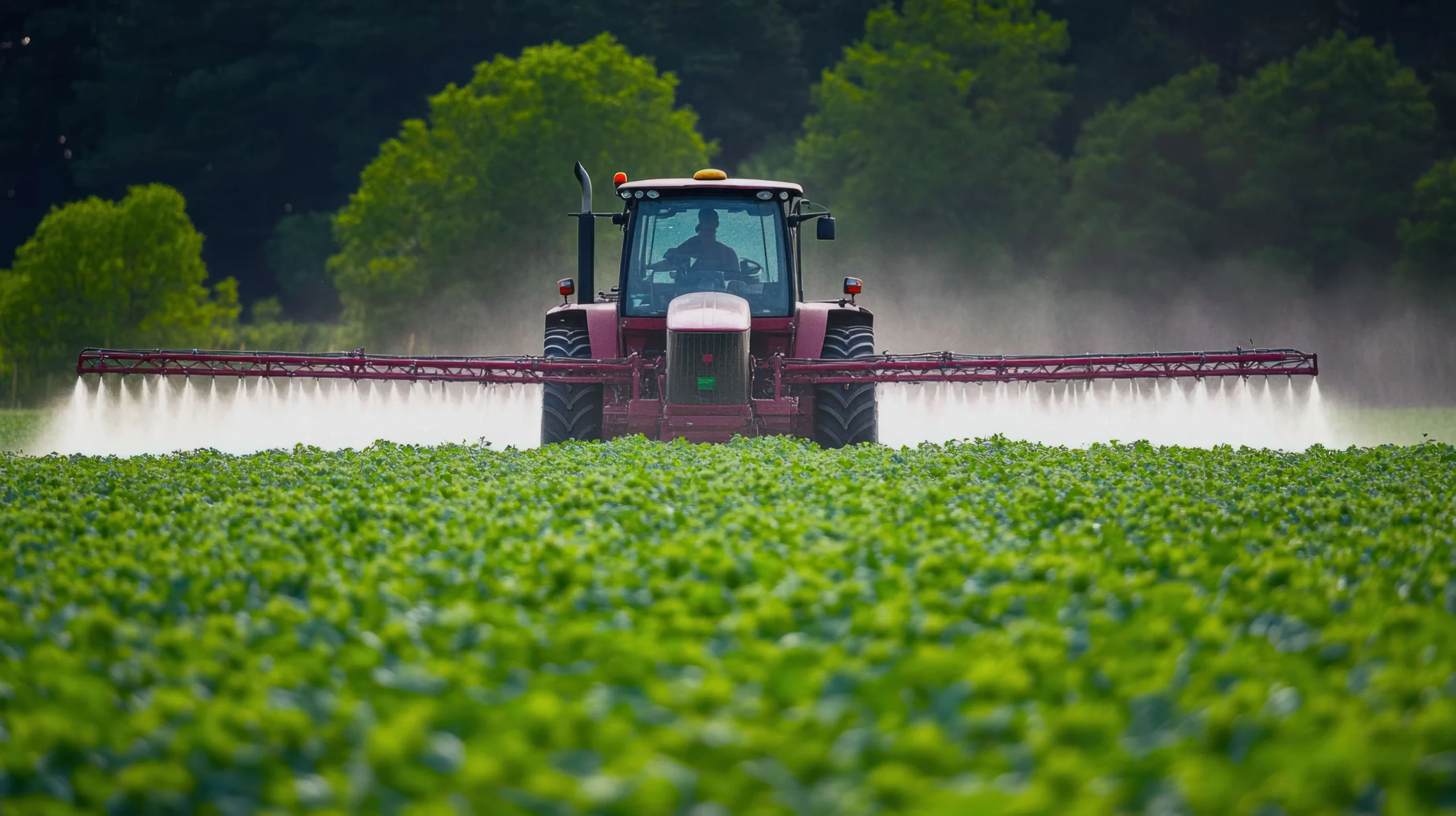
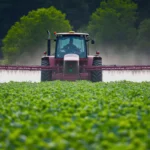
The widespread use of pesticides and herbicides has left deep scars on both human health and the environment. These sprays are not precision-targeted — they drift through air, seep into soil, and contaminate water systems. Studies link chronic exposure to these chemicals with cancer, ADHD, reproductive harm, and neurological disorders.
Meanwhile, nature fights back. Insects and weeds develop resistance, forcing farmers to spray more frequently and in higher doses. The result? A toxic cycle that endangers biodiversity and human well-being alike.
Collateral Damage: Soil, Water, and Life
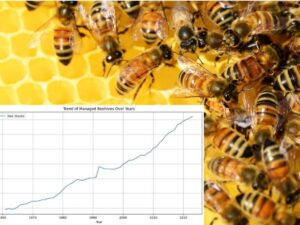 These chemicals don’t discriminate. They kill beneficial insects like bees and butterflies, disrupt aquatic ecosystems, and erode the living network within soil. Every season of chemical farming weakens soil fertility, reduces nutrient content in crops, and damages the microorganisms responsible for plant growth.
What do we get from this agricultural alchemy? A buffet of ultra-processed foods that dominate the modern diet — high in calories but low in nutrients. It’s a cycle that favors convenience and corporate profit over health and sustainability.
From Chemical Warfare to the Dinner Plate
The irony is chilling: the same science that once fueled military defoliation programs now feeds our global food system. From battlefield to dinner plate, it’s all been approved, standardized, and marketed under the promise of progress — but at what cost?
Every meal served with pesticide-laced produce tells part of this story. While the packaging might say “safe” or “tested,” the long-term consequences are still unfolding in our soils, bodies, and climate.
The Regenerative Alternative
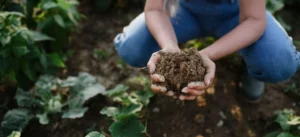 Thankfully, a new generation of farmers is leading a movement back to balance. Regenerative farming works with nature instead of against it — rebuilding soil health, restoring biodiversity, and capturing carbon. It rejects toxic sprays in favor of natural composts, crop rotation, and cover crops that keep ecosystems alive and thriving.
This approach heals rather than harms. It creates food that’s richer in nutrients, better for the climate, and safer for everyone — from farmer to family dinner.
How You Can Be Part of the Change
The best way to avoid food tainted by pesticides and herbicides is to buy directly from local regenerative farmers. Visit your nearest farmers’ market, join a CSA (Community Supported Agriculture), or grow your own produce without chemicals. Small choices make a huge impact.
Regenerative agriculture supports healthy soil, cleaner water, and resilient communities. Every purchase helps rebuild the food system — one farm, one meal at a time.
Join the Regenerative Movement
At Farmco-opnc, we’re part of that change — helping farmers transition away from chemical dependency and toward sustainable, regenerative practices that restore life to the land.
🌱 Find your local regenerative farmer today and take the first step toward a cleaner, healthier future.



Leave a Reply